


Blog
Merrick Avenue Optometry Blog
Learn more about optometrist care in our blog!
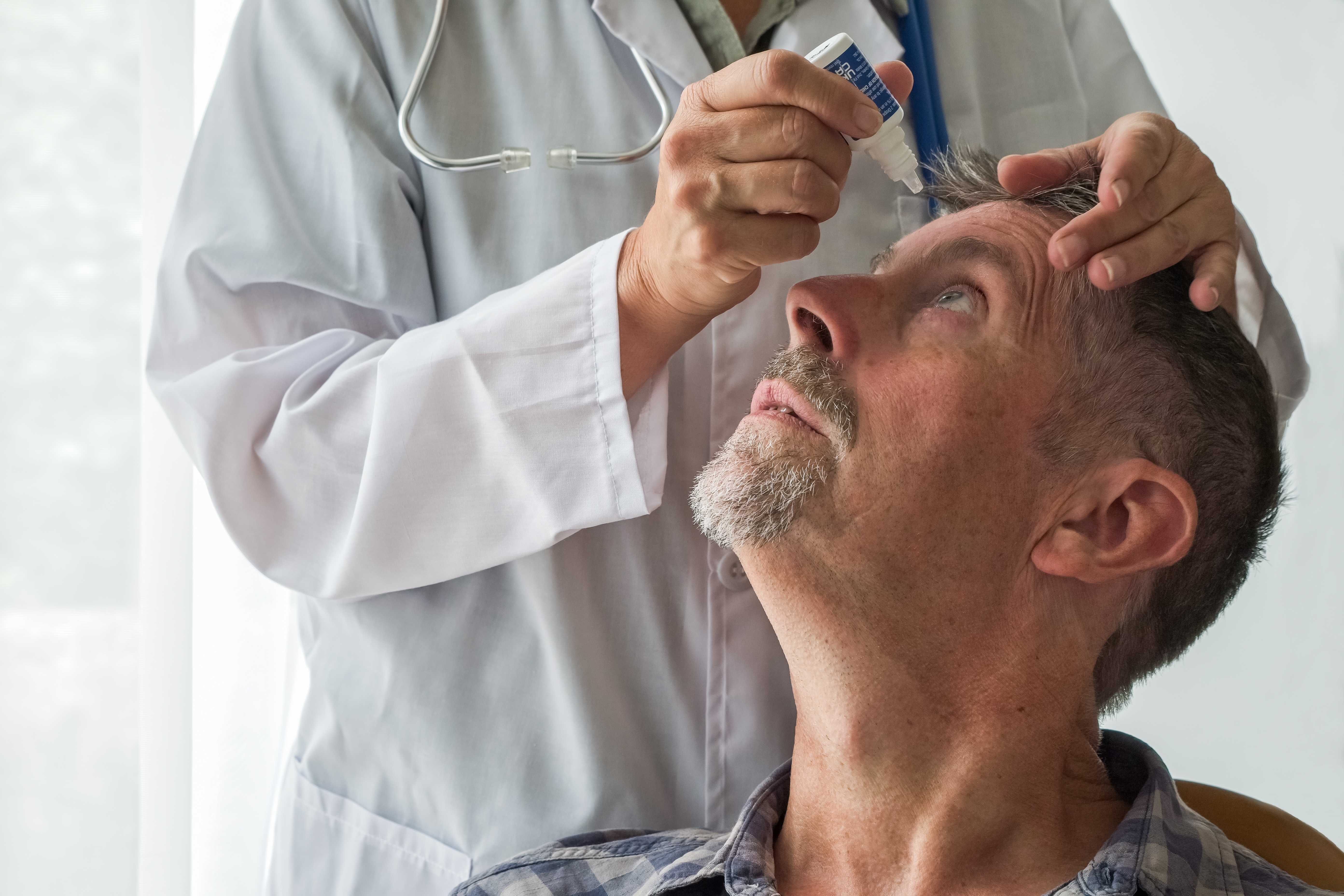
Finding relief from burning, gritty, watery, or tired eyes can make everyday activities much more comfortable. However, dry eye is often a chronic condition, and symptoms can change as your environment, medications, screen habits, or eyelid gland function change. Even when treatment is working well, follow-up care can help maintain those improvements.
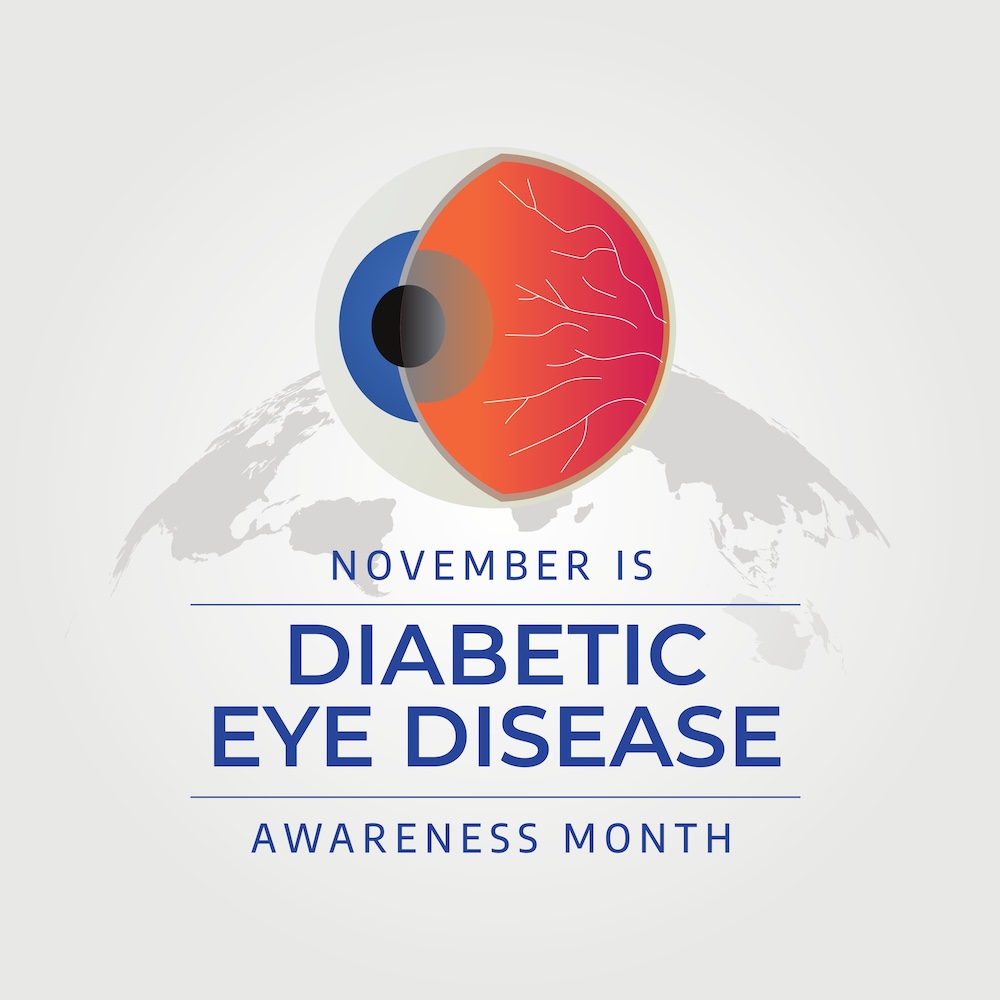
National Diabetes Month is an important reminder that diabetes can affect more than blood sugar. It can also impact your eyes and long-term vision. Many diabetes-related eye conditions develop quietly, which is why routine eye exams are essential for protecting your sight.
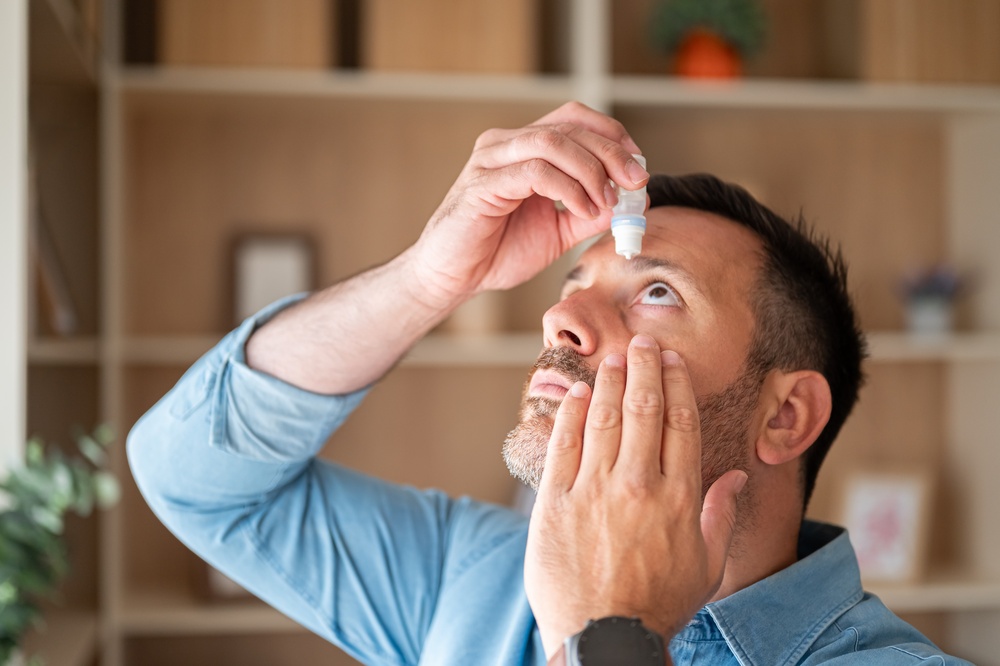
Dry eye is a common condition that happens when your eyes do not produce enough tears or when your tears do not work properly. Healthy tears are important for clear vision, comfort, and protecting the surface of the eye. When the tear film becomes unstable, it can lead to irritation, blurry vision, and ongoing discomfort. We help patients understand the cause of their dry eye symptoms and recommend treatment options based on their needs.
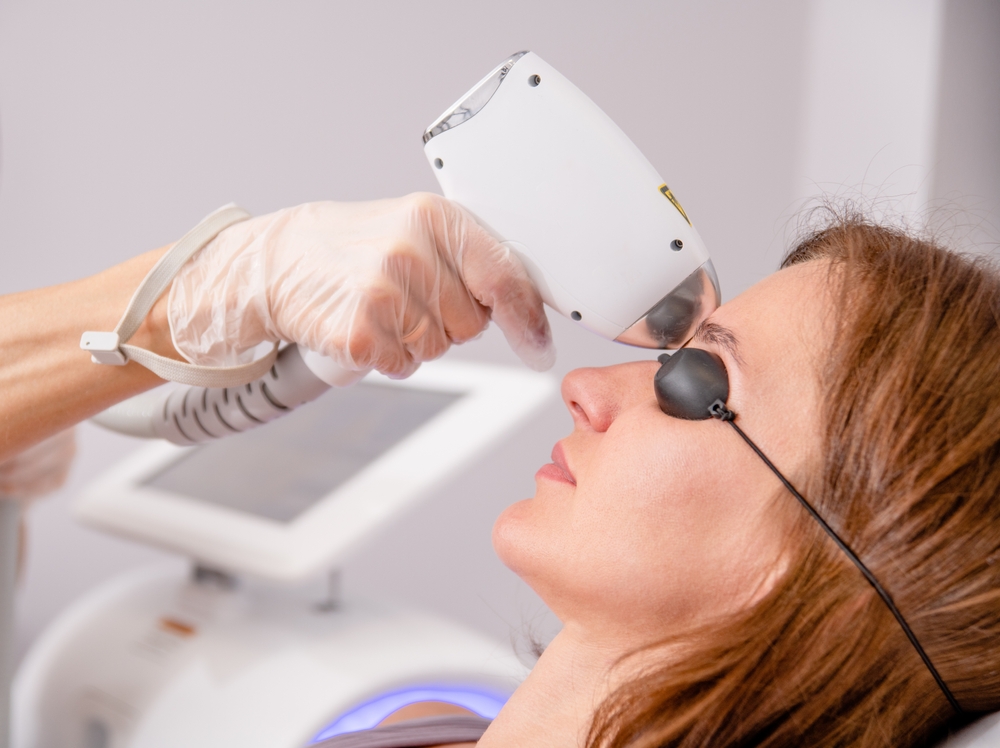
Dry, irritated eyes can make everyday activities uncomfortable, especially when symptoms persist despite using artificial tears. For many people across Long Island, meibomian gland dysfunction (MGD) is an underlying cause of chronic dry eye. At Merrick Avenue Optometry in Merrick, NY, we offer advanced dry eye treatments, including radiofrequency (RF) and intense pulsed light (IPL) therapy, to address the factors contributing to ongoing discomfort.

Contact Lens Safety Month is a helpful reminder to review how you wear, clean, and care for your lenses every day. Even small mistakes can lead to irritation, dryness, blurry vision, or eye infections.

If your child is nearsighted and seems to need stronger glasses year after year, you may be looking for an option that goes beyond traditional daytime vision correction. Orthokeratology, commonly called Ortho-K, uses specially designed nighttime contact lenses to temporarily reshape the cornea while your child sleeps.
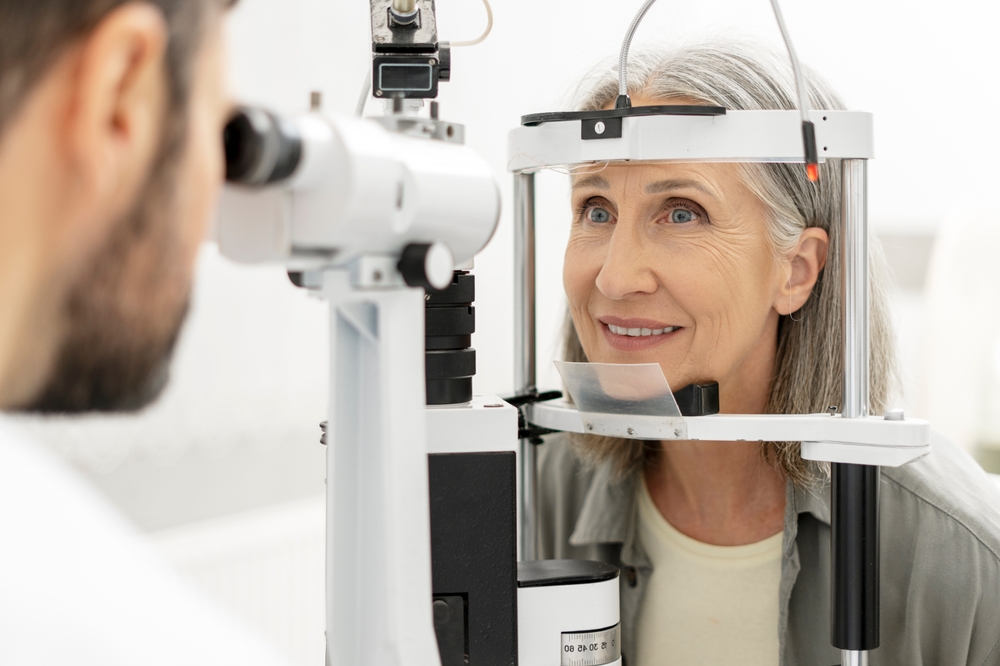
Cataracts are a common vision condition that can develop gradually over time. Because early symptoms may be subtle, many people do not realize their vision is changing until daily tasks become more difficult. Knowing the early signs of cataracts can help you schedule an eye exam before the condition begins to affect your comfort, safety, and quality of life.

Healthy Aging Month is a good reminder that caring for your eyes is an important part of supporting your overall health. As we get older, changes in vision can happen gradually, and some eye conditions may develop without obvious symptoms at first. Regular eye care helps protect your sight, detect concerns early, and keep your vision as clear and comfortable as possible.
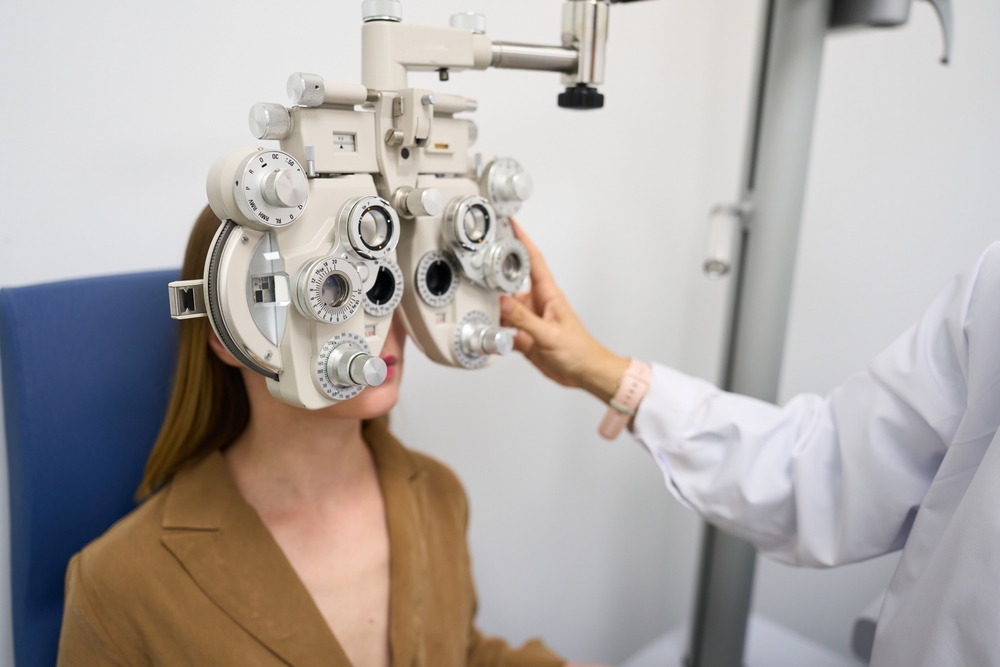
Vision screenings and comprehensive eye exams both help identify vision concerns, but they are not the same. A vision screening is a basic check that may detect possible signs of a problem, while a comprehensive eye exam gives a more complete look at your vision, eye health, and overall visual function.

As students prepare for a new school year, backpacks, supplies, and schedules often get most of the attention. However, clear vision is just as important for classroom success. A back-to-school eye exam helps make sure a child can see comfortably, focus clearly, and keep up with daily learning demands.

All Eye
Care Services

Keep
In Touch


Contact Info
Hours of Operation
- Monday Closed
- Tuesday 10:00 AM - 6:00 PM
- Wednesday 10:00 AM - 6:00 PM
- Thursday 11:00 AM - 7:00 PM
- Friday 10:00 AM - 5:00 PM
- Saturday 10:00 AM - 4:00 PM
- Sunday Closed
© 2026 Merrick Avenue Optometry. All rights Reserved. Accessibility Statement - Privacy Policy - Sitemap
Powered by: