


Radiofrequency & IPL for Dry Eye Relief in Long Island: How Advanced Therapy Treats MGD
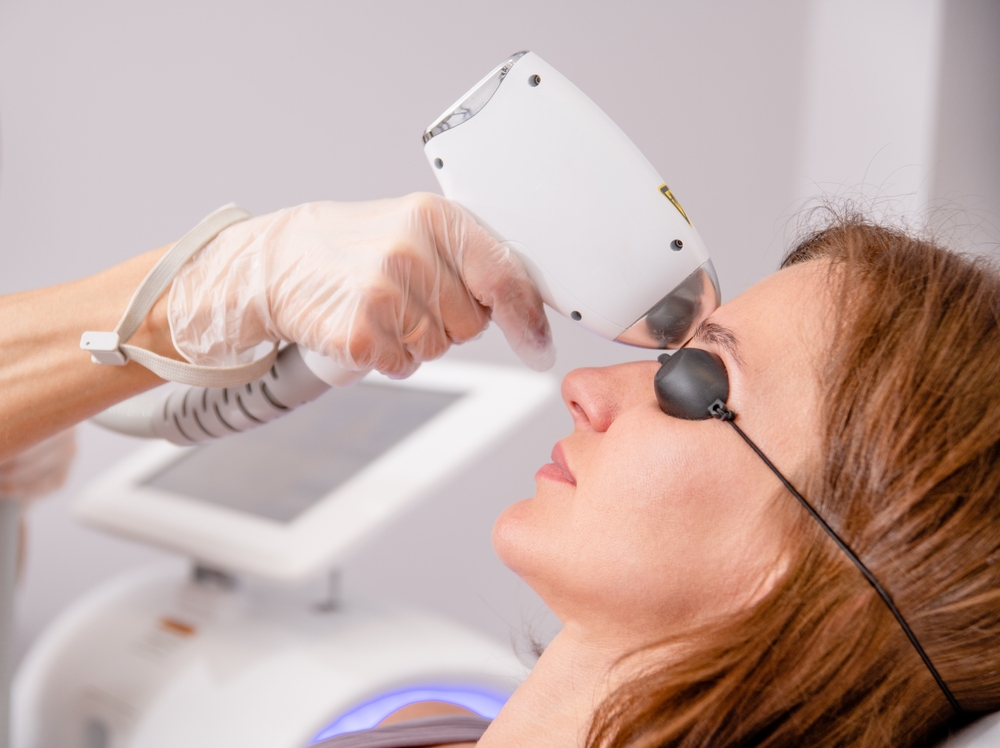
Dry, irritated eyes can make everyday activities uncomfortable, especially when symptoms persist despite using artificial tears. For many people across Long Island, meibomian gland dysfunction (MGD) is an underlying cause of chronic dry eye. At Merrick Avenue Optometry in Merrick, NY, we offer advanced dry eye treatments, including radiofrequency (RF) and intense pulsed light (IPL) therapy, to address the factors contributing to ongoing discomfort.
What Is Meibomian Gland Dysfunction (MGD)?
Meibomian gland dysfunction occurs when the oil-producing glands along the eyelids become blocked or stop functioning properly. These glands produce oils that help prevent tears from evaporating too quickly.
When the glands become clogged, the tear film becomes unstable, leading to dryness, irritation, and fluctuating vision.
Common symptoms of MGD include:
Burning, stinging, or gritty sensations
Redness and irritation around the eyes
Blurry or fluctuating vision
Excessive watering as the eyes respond to dryness
Discomfort when wearing contact lenses
Because MGD affects the quality of your tears, artificial tears alone may not provide sufficient relief. Addressing the underlying gland dysfunction can help improve tear stability and eye comfort.
How Radiofrequency Therapy Helps Treat MGD
Radiofrequency therapy uses controlled thermal energy to gently warm the tissues surrounding the eyelids. This heat helps soften thickened oils within the meibomian glands, making it easier for them to flow naturally.
At Merrick Avenue Optometry, we offer Lumenis OptiPlus RF therapy as part of our advanced dry eye treatment options.
Radiofrequency therapy may help improve meibomian gland function, support healthier oil production, and reduce symptoms associated with evaporative dry eye. Depending on your needs, treatment may also be combined with meibomian gland expression to help release accumulated oils.
For patients in Merrick and throughout Long Island experiencing persistent dry eye symptoms, RF therapy offers an option that targets gland dysfunction rather than simply providing temporary lubrication.
How IPL Therapy Reduces Dry Eye Inflammation
Intense pulsed light therapy uses carefully controlled pulses of light applied to the skin surrounding the eyes. IPL helps address inflammation that can contribute to meibomian gland dysfunction and poor tear quality.
At our Merrick practice, we use Lumenis OptiLight IPL technology to help manage dry eye associated with MGD.
By targeting inflammation and supporting healthier meibomian gland function, IPL therapy may improve tear film stability and reduce irritation.
Unlike traditional artificial tears, which primarily supplement moisture, IPL addresses inflammatory factors that can contribute to recurring dry eye symptoms.
Can RF and IPL Be Combined for Better Dry Eye Relief?
Radiofrequency and IPL therapy target different aspects of meibomian gland dysfunction, making them potentially complementary treatment options.
RF focuses on warming the eyelid tissues and softening obstructed oils, while IPL helps reduce inflammation associated with gland dysfunction.
For some patients, combining these approaches may improve gland function and provide more sustained symptom relief than either treatment alone. However, results vary, and not everyone requires both therapies.
At Merrick Avenue Optometry, we evaluate your tear film, eyelid health, and symptoms to determine which dry eye treatments are appropriate for your individual needs.
Schedule Advanced Dry Eye Treatment in Merrick, NY
If persistent dryness, irritation, or blurry vision is affecting your daily comfort, our team can help identify the underlying cause and discuss your treatment options. Schedule a dry eye evaluation with Merrick Avenue Optometry in Merrick, NY, by calling (516) 200-0241 to learn whether radiofrequency or IPL therapy could help improve your eye comfort.

All Eye
Care Services

Keep
In Touch


Contact Info
Hours of Operation
- Monday Closed
- Tuesday 10:00 AM - 6:00 PM
- Wednesday 10:00 AM - 6:00 PM
- Thursday 11:00 AM - 7:00 PM
- Friday 10:00 AM - 5:00 PM
- Saturday 10:00 AM - 4:00 PM
- Sunday Closed
© 2026 Merrick Avenue Optometry. All rights Reserved. Accessibility Statement - Privacy Policy - Sitemap
Powered by: