


Maintaining Dry Eye Relief: Why Follow-Up Care Matters
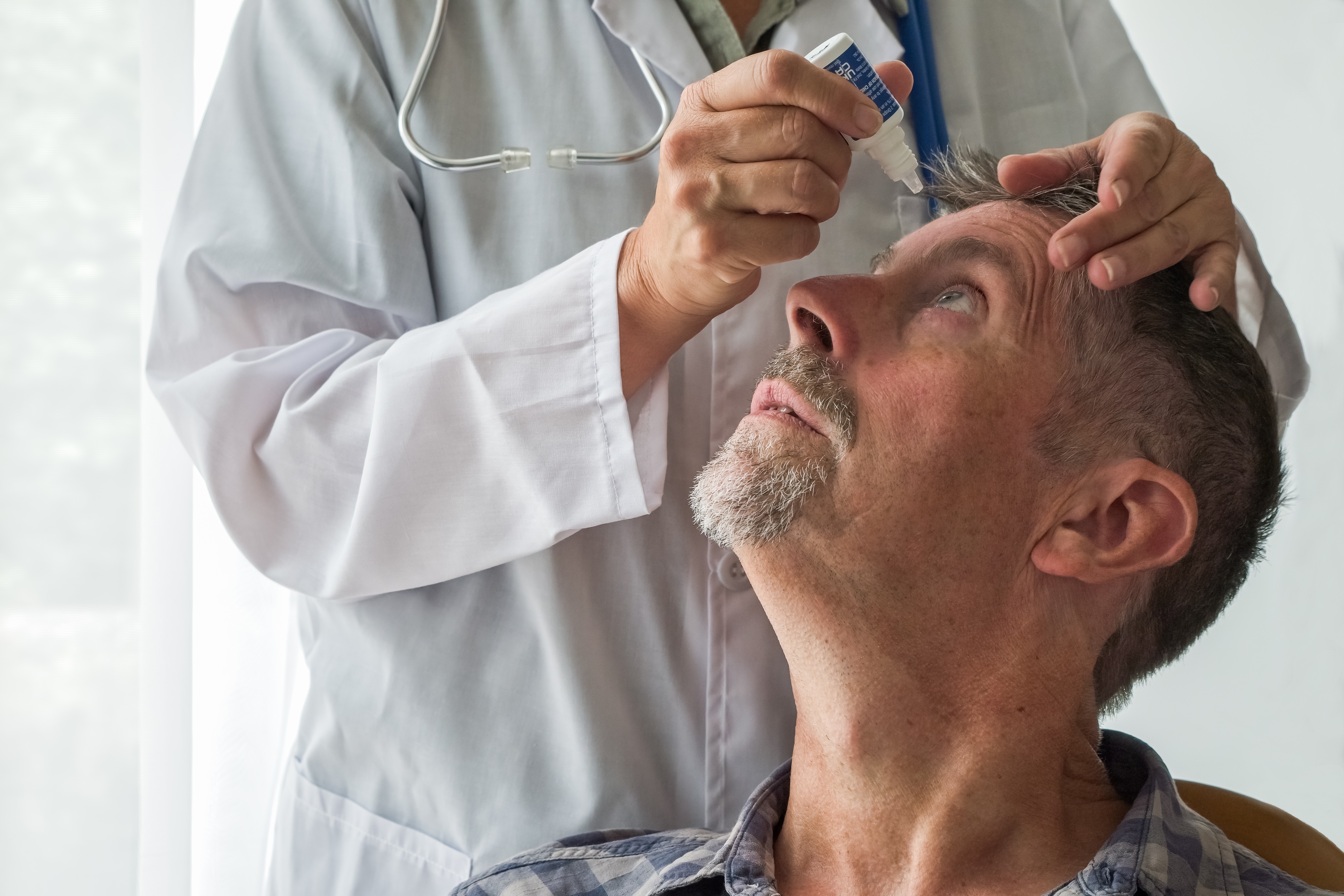
Finding relief from burning, gritty, watery, or tired eyes can make everyday activities much more comfortable. However, dry eye is often a chronic condition, and symptoms can change as your environment, medications, screen habits, or eyelid gland function change. Even when treatment is working well, follow-up care can help maintain those improvements.
At Merrick Avenue Optometry in Merrick, we take a personalized approach to dry eye care. Follow-up appointments allow us to evaluate how your eyes are responding, identify changes, and determine whether your treatment plan still matches your needs.
Why Can Dry Eye Symptoms Return?
Dry eye can have several contributing factors. Meibomian gland dysfunction, inflammation, allergies, eyelid problems, medications, health conditions, and environmental stress can all affect tear-film stability.
Some treatments may significantly improve symptoms without permanently eliminating the underlying tendency toward dry eye. Seasonal changes, increased screen time, indoor heating, air conditioning, or changes in health can make symptoms more noticeable again.
This is why continuing to monitor your eyes can be important even after you begin feeling better.
What Happens at a Dry Eye Follow-Up?
Your experience between appointments provides valuable information. During a follow-up in Merrick, we may review:
Whether burning, grittiness, or watering has improved
How often you still need artificial tears or other medications
Whether fluctuating vision is becoming less frequent
How your eyes feel during computer use or contact lens wear
Whether eyelid redness or irritation has changed
How consistently you have been following your recommended home care
We may also reassess the tear film, ocular surface, eyelids, and meibomian glands depending on your previous findings.
Why Are the Meibomian Glands Rechecked?
The meibomian glands produce the oily component of tears that slows evaporation. When these glands become blocked or dysfunctional, the tear film may become unstable.
At Merrick Avenue Optometry, meibography can help us evaluate the structure of these glands, while tear-film and ocular surface testing can provide information about tear stability and inflammation.
Follow-up testing can help determine whether gland function appears to be improving or whether additional treatment may be appropriate.
Can Your Dry Eye Treatment Plan Change?
Yes. Dry eye care should respond to how your eyes change over time.
Some patients may continue with artificial tears, prescription medications, or eyelid care. Others may benefit from in-office treatments such as OptiLight IPL, OptiPlus radiofrequency, ZEST lid debridement, meibomian gland expression, or tear-conserving options such as punctal plugs.
More advanced treatments, including amniotic membranes or autologous serum tears, may be considered in selected cases.
Not every patient needs every treatment. Follow-up care allows us to adjust the plan instead of assuming that the same approach should continue indefinitely.
Keep Supporting Your Eyes Between Visits
Consistent home care can help maintain the benefits of in-office treatment. Follow your prescribed eye drop schedule, eyelid hygiene routine, and other recommendations rather than stopping as soon as symptoms improve.
Screen habits also matter. Remember to blink fully during prolonged digital work, take regular visual breaks, and avoid direct airflow from fans or vents when possible.
If symptoms suddenly become much worse, do not wait for your scheduled follow-up. Significant pain, severe redness, strong light sensitivity, discharge, or sudden vision changes deserve prompt evaluation.
If dry eye symptoms are returning or you are due to review your treatment progress, contact Merrick Avenue Optometry at 30 Merrick Avenue, Merrick, NY 11556 by calling (516) 200-0241 to schedule a dry eye follow-up and keep your relief on track.

All Eye
Care Services

Keep
In Touch


Contact Info
Hours of Operation
- Monday Closed
- Tuesday 10:00 AM - 6:00 PM
- Wednesday 10:00 AM - 6:00 PM
- Thursday 11:00 AM - 7:00 PM
- Friday 10:00 AM - 5:00 PM
- Saturday 10:00 AM - 4:00 PM
- Sunday Closed
© 2026 Merrick Avenue Optometry. All rights Reserved. Accessibility Statement - Privacy Policy - Sitemap
Powered by: